


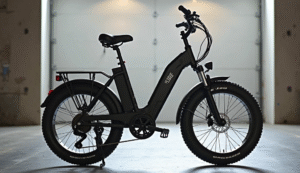
ctric bikes (e-bikes) are becoming a top choice for eco-conscious commuters, weekend adventurers, and everyday riders across the U.S. But if you’re new to the e-bike world, one component tends to raise the most questions: the battery.

In this guide, we’ll break down everything beginners need to know about electric bike batteries in 2025 — from how far they’ll take you, to how long they last, how fast they charge, and how to keep them running strong for years.
Why E-Bike Batteries Matter
The battery is the heart of an electric bike. It powers the motor that gives you pedal assistance or throttle-based riding. Whether you’re commuting through a busy city or cruising through suburban bike paths, your battery determines:
- How far you can travel on a single charge
- How much power your motor can deliver
- How long your e-bike will last before needing a replacement battery
Let’s dive deeper into the three main areas of concern: range, charging time, and lifespan.
1. E-Bike Battery Range: How Far Can You Go?
Range refers to how many miles your e-bike can travel on a single full charge. In 2025, most commuter e-bikes offer ranges between 20 to 75 miles, depending on:
🔋 Key Factors That Affect Range
- Battery Capacity: Measured in watt-hours (Wh). The higher the Wh, the longer the range.
- Example: A 500Wh battery may offer 25–50 miles per charge.
- Motor Power: Higher wattage motors (e.g., 750W vs 250W) may use more energy.
- Assist Level: Using high pedal-assist or throttle mode drains the battery faster.
- Terrain & Rider Weight: Hills, heavy loads, and wind resistance can reduce range.
- Tire Pressure and Type: Under-inflated tires or knobby mountain bike tires increase resistance.
⚖️ Average Battery Ranges by Bike Type
| E-Bike Type | Typical Range |
|---|---|
| Commuter e-bike | 30–60 miles |
| Folding e-bike | 20–40 miles |
| Mountain e-bike | 25–50 miles (varies by terrain) |
| Cargo e-bike | 25–45 miles (with load) |
📝 Tip: Look for e-bikes with removable batteries so you can carry spares or charge them indoors at work or home.
2. Charging Time: How Long Does It Take?
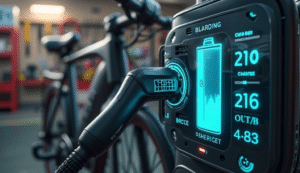
Most e-bike batteries today take between 3 to 6 hours to fully charge, depending on the size of the battery and the type of charger used.
⚡ Charging Basics
- Standard Chargers: Typically 2A chargers that take 5–6 hours for a full charge.
- Fast Chargers: Offer 4A or more, cutting charge time down to 2–3 hours.
- Charging from 0%–80% is generally faster than the final 20%, which takes longer for battery protection.
🧠 Smart Charging Tips
- Charge after every ride to avoid deep discharges (which strain battery health).
- Avoid overcharging — modern chargers shut off automatically, but don’t leave them plugged in for days.
- Don’t charge in extreme cold or heat, which can degrade the battery.
3. E-Bike Battery Lifespan: How Long Will It Last?
A quality e-bike battery typically lasts 500 to 1,000 full charge cycles. That means if you fully drain and recharge your battery once a day, it could last 2–4 years.
🔄 What Impacts Battery Lifespan?
- Charge Cycles: Frequent deep discharges shorten lifespan. Try to stay between 20% and 80%.
- Temperature Extremes: Heat is especially damaging to lithium-ion batteries.
- Storage Conditions: Batteries stored in a cool, dry place last longer.
- Maintenance: Keeping connections clean and dry helps battery longevity.
🛠️ Battery Replacement Cost: In 2025, a high-quality lithium-ion battery may cost $300–$700 to replace, depending on brand and capacity.
Battery Types Used in 2025 E-Bikes
Most modern e-bikes in the U.S. use lithium-ion batteries, thanks to their balance of weight, efficiency, and lifespan.
| Battery Type | Used in E-Bikes? | Pros | Cons |
|---|---|---|---|
| Lithium-ion (Li-ion) | ✅ Yes (most common) | Lightweight, long-lasting, fast charging | Sensitive to extreme temps |
| Lead-acid | ❌ Rare in 2025 | Cheap | Heavy, short lifespan |
| Nickel-based (NiMH) | ❌ Outdated | Decent lifespan | Heavier, less energy-dense |
How to Extend Your E-Bike Battery Life
Want to get the most out of your battery? Follow these tips:
- 🚴 Use lower assist levels on flat terrain
- 🔌 Charge before it dips below 20%
- ❄️ Store indoors during winter
- 🔍 Inspect for signs of wear or swelling
- 🧽 Clean battery terminals gently with a dry cloth
FAQs: Electric Bike Battery Questions Answered
Q1: How far can an electric bike go on one charge?
A typical e-bike can go 30–60 miles on a full charge, depending on the battery, assist level, terrain, and rider weight.
Q2: How long does it take to charge an e-bike battery?
Charging usually takes 3 to 6 hours with a standard charger, or 2 to 3 hours with a fast charger.
Q3: Can I charge my e-bike overnight?
Yes — modern chargers stop when the battery is full. Still, unplug once it’s done for long-term health.
Q4: How long will my battery last before I need a replacement?
With good care, expect 2–5 years or 500–1,000 charge cycles from a lithium-ion e-bike battery.
Q5: Can I ride my e-bike in the rain — will the battery be okay?
Yes, most e-bike batteries are weather-resistant. But avoid submerging the battery, and dry it off after wet rides.
Final Thoughts: Why Battery Knowledge Matters
Understanding your electric bike battery is key to getting the best performance, value, and longevity out of your ride. Whether you’re commuting daily in New York, biking the hills of San Francisco, or running deliveries in Chicago, knowing how far your battery will take you (and how to take care of it) keeps your e-bike experience smooth and reliable