



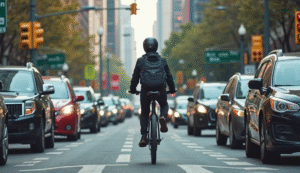
Electric bikes are now a common part of daily transportation across the United States in 2026. From city commuters to suburban riders, more people are choosing e-bikes for convenience, affordability, and flexibility. For new riders, however, understanding how to ride safely is just as important as choosing the right bike.

This guide covers essential electric bike safety tips every beginner in the U.S. should know before heading out.
Understand Your E-Bike Class Before Riding
In the United States, electric bikes are categorized into three main classes, and knowing yours helps you ride legally and safely.
- Class 1 e-bikes provide pedal assistance only and stop assisting at lower speeds
- Class 2 e-bikes include throttle assistance
- Class 3 e-bikes offer higher-speed pedal assistance and often require additional safety measures
Different states and cities regulate where each class can be ridden, especially on bike paths and shared trails.
Wear the Right Safety Gear Every Time
Helmet use is one of the most important safety habits for new riders. In many U.S. states, helmets are required for younger riders or higher-speed e-bikes, but wearing one is strongly recommended for all riders regardless of age.
Additional gear that improves safety includes:
- Reflective clothing for visibility
- Gloves for better grip and control
- Eye protection to shield from wind and debris
Good visibility can significantly reduce accident risk.
Start Slow and Learn the Power Delivery
Electric bikes accelerate faster than traditional bicycles, which can surprise new riders. Begin with the lowest assist setting until you feel comfortable with how your bike responds.
Practicing in low-traffic areas helps you learn:
- Smooth acceleration
- Controlled braking
- Balance at higher speeds
Confidence builds quickly when you take time to adjust.
Follow U.S. Traffic Laws Like a Vehicle
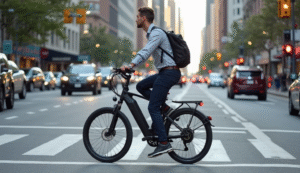
In most states, e-bike riders must follow the same traffic laws as cyclists. This includes stopping at stop signs, obeying traffic signals, and riding in the correct direction.
Key safety habits include:
- Using hand signals when turning
- Yielding to pedestrians
- Staying alert at intersections
Riding predictably helps drivers understand your movements and reduces the chance of collisions.
Use Bike Lanes and Shared Paths Wisely
Bike lanes offer safer riding conditions, but they still require awareness. Watch for parked cars, opening doors, pedestrians, and turning vehicles.
On shared-use paths, reduce speed and pass others respectfully. Many accidents occur not from traffic, but from sudden movements on crowded paths.
Keep Your E-Bike Well Maintained
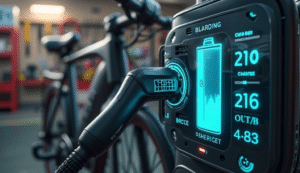
Regular maintenance is a critical part of electric bike safety. Before riding, check:
- Tire pressure
- Brake responsiveness
- Battery charge
- Lights and reflectors
In 2026, many e-bikes include diagnostic displays or apps—use them to stay informed about your bike’s condition.
Ride Defensively, Especially in Urban Areas
Defensive riding means assuming others may not see you. Make eye contact with drivers when possible, slow down at intersections, and avoid weaving between lanes.
Urban riding requires extra attention due to:
- Delivery vehicles
- Rideshare traffic
- Sudden stops
Staying alert and visible greatly improves safety.
Be Prepared for Weather and Road Conditions
Wet roads, strong winds, and uneven pavement affect e-bike handling. Reduce speed during poor conditions and increase braking distance.
Wearing weather-appropriate gear keeps you comfortable and focused, which directly impacts riding safety.
Learn Local and State-Specific Rules
While federal guidelines exist, each state may have unique rules regarding helmet use, age limits, and where e-bikes are allowed. Checking local regulations ensures you stay compliant and confident.
City transportation websites often provide updated e-bike guidance for riders.
Why Safety Awareness Matters in 2026
Electric bikes make transportation easier—but they also require responsibility. Safe riding protects you, other cyclists, pedestrians, and drivers.
As e-bike use continues to grow across the United States, riders who understand safety best practices help shape a positive future for electric mobility.
Final Thoughts for New Riders
Electric bikes are one of the most accessible ways to move around in 2026. By learning your bike, following traffic laws, and riding attentively, you can enjoy all the benefits with confidence.
Safety isn’t about restriction—it’s about freedom to ride without worry.