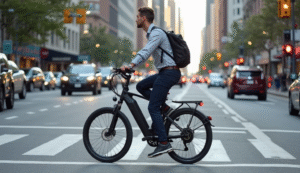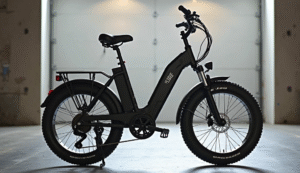



Electric bikes are transforming commuting across the United States in 2026. With more cities improving cycling infrastructure and rising costs of fuel and parking, e-bikes are a practical, eco-friendly alternative for daily travel. But choosing the right electric bike for your commute requires understanding your needs, local regulations, and the features that matter most.

This guide breaks down everything new riders and experienced commuters need to consider to select the ideal e-bike for daily use.
1. Know the U.S. E-Bike Classes
Electric bikes in the U.S. are classified into three categories:
- Class 1: Pedal-assist only, stops assisting at lower speeds
- Class 2: Throttle-assisted, stops assisting at lower speeds
- Class 3: Higher-speed pedal-assist, often with age restrictions and helmet requirements
Most urban commuters prefer Class 1 or Class 3, depending on route length and traffic conditions. Always check state and city regulations before purchasing.
2. Consider Commute Distance and Terrain
Your route affects motor type, battery size, and tire selection.
- Short, flat commutes: Standard pedal-assist bikes with smaller batteries may suffice.
- Longer or hilly routes: Opt for mid-drive motors with higher torque and larger batteries.
Knowing your terrain ensures your e-bike meets daily demands without frequent recharging.
3. Choose the Right Motor Type
- Hub motors: Affordable, reliable, suitable for flat city streets.
- Mid-drive motors: Better for hills, heavier loads, and natural pedaling feel.
Both types are reliable in 2026, but your choice depends on terrain, ride style, and commuting frequency.
4. Battery Range and Charging Options
For a commuter bike, battery range should comfortably cover your round trip plus an extra margin for detours or bad weather. Removable batteries are convenient for indoor charging in apartments or offices.
5. Frame Style and Comfort
Daily commuting demands comfort:
- Upright frames reduce strain on the back and shoulders.
- Step-through frames make frequent stops easier.
- Adjustable handlebars and seats ensure a better fit for long-term comfort.
Test rides are essential to find a bike that feels natural.
Electric bikes are heavier than standard bicycles, but portability matters if you need to carry your bike indoors or use public transit. Lighter frames make handling easier without sacrificing durability.
7. Safety Features
Safety is critical for commuting:
- Strong hydraulic or mechanical brakes
- Integrated front and rear lights
- Reflectors or high-visibility elements
- Optional smart features, like app-based alerts or GPS tracking
In 2026, built-in lighting and responsive brakes are standard for quality commuter e-bikes.
8. Weather and Road Protection
Consider features that protect against rain, debris, and slippery roads:
- Fenders
- Chain guards
- Wide, grippy tires
These reduce maintenance and increase safety, especially for year-round commuting.
9. Budget and Long-Term Value
While upfront cost matters, long-term value is key:
- Durable frame and components
- Long-lasting battery
- Warranty and service options
- Resale value
A well-chosen e-bike saves money over time compared to fuel, parking, or ride-hailing costs.
10. Test Ride Before Buying
A test ride reveals how the bike accelerates, brakes, and handles. Comfort, stability, and confidence are more important than specifications on paper.
Riding a bike that feels natural and secure makes daily commuting enjoyable and stress-free.
Final Thoughts
Choosing the right electric bike for your daily commute in 2026 is about matching your bike to your lifestyle, terrain, and safety needs. With proper selection, commuting becomes smoother, faster, and more eco-friendly, making every ride something to look forward to.