


Introduction
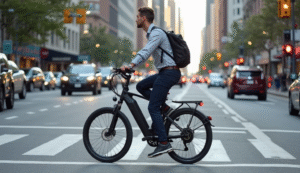
Imagine breezing through city traffic without breaking a sweat, dodging the gridlock, and arriving at work on time—all without needing a second shower. That’s the promise of electric bikes, or e-bikes, and in 2025, they’re more popular in the USA than ever before.

With rising fuel costs, growing environmental awareness, and urban infrastructure adapting to cycling, more Americans are exploring e-bikes as a smart, sustainable transportation choice. Whether you’re commuting, cruising the trails, or delivering goods, e-bikes offer a versatile alternative to cars and traditional bicycles.
So, what is an electric bike, and why should you care? Let’s break it all down in this beginner’s guide to e-bikes.

What Is an Electric Bike?
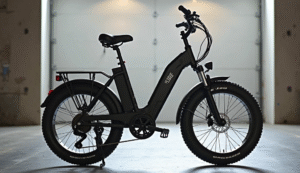
An electric bike (or e-bike) is a bicycle equipped with an electric motor that assists the rider while pedaling or, in some cases, replaces pedaling altogether via a throttle.
E-Bike vs. Regular Bike
- Pedal Power vs. Electric Assist: A regular bike is powered solely by your legs. An e-bike adds motorized assistance.
- Speed and Effort: E-bikes allow faster travel with less effort, especially uphill or against headwinds.
- Components: E-bikes come with additional parts, including a motor, battery, and often a digital control display.
Key Components of an E-Bike
- Motor: Usually located in the hub or crank (mid-drive), it provides power assistance.
- Battery: Powers the motor. Removable for charging and usually lithium-ion.
- Controller/Display: Lets you monitor battery life, speed, and assistance levels.
- Pedal-Assist System (PAS): Senses pedaling and delivers proportional motor power.
- Throttle (on some models): Allows motor activation without pedaling.
Types of Electric Bikes
Electric bikes come in several forms, each suited for different lifestyles and terrains.
Commuter E-Bikes
Designed for daily rides to work or around town.
- Upright seating
- Fenders and racks for bags
- Smooth tires for pavement
Folding E-Bikes
Great for apartment dwellers and travelers.
- Compact and portable
- Fits in car trunks and tight storage
Mountain/Trail E-Bikes
Built for off-road adventures.
- Durable frames
- Suspension systems
- Knobby tires for grip
Cargo E-Bikes
Perfect for deliveries or carrying kids and groceries.
- Extended frames
- Heavy-duty racks
- Extra torque motors
E-Bike Type Comparison Table
| Type | Best For | Portability | Terrain | Load Capacity |
|---|---|---|---|---|
| Commuter E-Bike | Urban travel | Moderate | Pavement | Light |
| Folding E-Bike | Storage & transit | High | Pavement | Light |
| Mountain E-Bike | Trails & off-road | Low | Rough terrain | Moderate |
| Cargo E-Bike | Families, deliveries | Low | Pavement/minor hills | High |
How Do E-Bikes Work?
E-bikes use an electric motor powered by a rechargeable battery to assist the rider.
Pedal-Assist vs. Throttle
- Pedal-Assist (PAS): Motor activates when you pedal. Common in Class 1 and 3 bikes.
- Throttle: Engages motor with a twist or push, no pedaling needed. Common in Class 2 bikes.
Motor Engagement
- Sensors detect pedaling or throttle input.
- Controller sends power from the battery to the motor.
- Motor assists until you reach a certain speed (usually 20-28 mph).
Charging and Battery Range
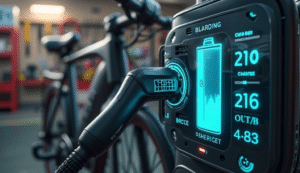
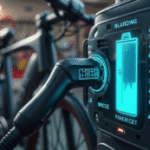
- Most e-bike batteries take 3-6 hours to charge.
- Typical range: 20–60 miles, depending on terrain, rider weight, and assist level.
- Plug into a standard wall outlet.
Pros and Cons of Using Electric Bikes
Pros
- Eco-Friendly: Zero emissions, reduced carbon footprint.
- Cost-Effective: Lower ongoing costs than cars.
- Time-Saving: Bypass traffic and avoid parking hassles.
- Accessible: Helps seniors and people with physical limitations ride longer.
- Fitness Option: Still requires some pedaling (especially with PAS).
Cons
- Initial Cost: Quality e-bikes often start at $1,000 and go up.
- Weight: Heavier than regular bikes due to the motor and battery.
- Battery Maintenance: Replacement every 2-5 years can be costly.
Legal and Safety Considerations in the USA (2025)
Understanding e-bike laws is essential, as they vary by class and state.
E-Bike Classes
- Class 1: Pedal-assist only, up to 20 mph.
- Class 2: Throttle and pedal-assist, up to 20 mph.
- Class 3: Pedal-assist only, up to 28 mph (helmet usually required).
Helmet and Road-Use Requirements
- Helmets required for Class 3 riders and often for minors.
- Class 1 and 2 generally allowed on bike paths; Class 3 may be restricted.
State-by-State Laws
Each state has its own e-bike regulations. Visit PeopleForBikes E-Bike Laws for the most up-to-date info.
Who Should Consider Buying an E-Bike?
E-bikes aren’t just for hardcore cyclists. They’re ideal for:
- Urban Commuters: Ditch the car, save on gas, and avoid traffic.
- Seniors or Limited Mobility Riders: Enjoy cycling with less strain.
- Eco-Conscious Individuals: Reduce your environmental impact.
- Students and Campus Riders: Navigate large campuses with ease.
- Delivery Workers: Carry loads efficiently and affordably.
Buying Guide Tips for Beginners
When shopping for your first e-bike, consider these key factors:
What to Look For
- Battery Range: Choose based on your daily mileage.
- Motor Power: 250W is common; 500W+ for hilly areas or heavy loads.
- Weight: Lighter bikes are easier to carry and store.
- Frame and Comfort: Test ride to ensure fit and comfort.
- Tire Type: Slick for streets, knobby for trails.
Budget Tips and Where to Shop
- Set a budget: Expect to spend $1,000–$3,000 for a reliable model.
- Trusted Brands: Rad Power Bikes, Aventon, Trek, Lectric, Ride1UP.
- Where to Buy:
- Online (Amazon, brand websites)
- Local bike shops (support, service, and test rides)
Conclusion
Electric bikes in 2025 are more than a trend—they’re a smart, sustainable solution for everyday transportation. Whether you’re looking to save money, cut your commute time, or just enjoy the ride, there’s an e-bike out there for you.
Thinking of buying your first e-bike? Check out our top beginner recommendations and start exploring the future of cycling today.
FAQ Section
Are electric bikes allowed on bike paths in the US?
Generally, Class 1 and 2 e-bikes are allowed on bike paths. Class 3 may be restricted depending on the state or city.
How long does an e-bike battery last?
Most batteries last 2–5 years or 500–1000 charge cycles, depending on usage and care.
Can I ride an e-bike in the rain?
Yes, most e-bikes are water-resistant, but avoid submerging them or riding through deep puddles.
Do I need a license to ride an e-bike in the USA?
In most states, no license is required for Class 1 or 2 e-bikes. Some regulations may apply to Class 3 bikes or vary by local law.