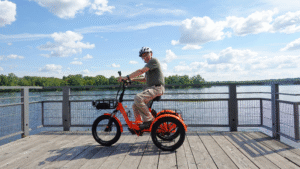



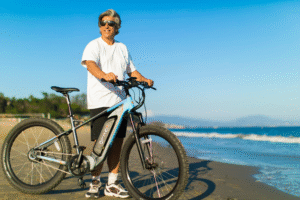
In 2026, transportation isn’t just about getting from one place to another—it’s about choosing a lifestyle that feels lighter, smarter, and more intentional. Across cities and suburbs, e-bikes have become part of everyday life, reshaping how people move, spend, and think about mobility.

Interestingly, this shift isn’t pushing people away from cars entirely. Instead, it’s changing what kind of cars—and car services—they value.
E-Bikes Are Rewriting Daily Habits
For many people, the biggest surprise about switching to an e-bike isn’t the ride itself—it’s how quickly it replaces short car trips.
Commutes become calmer. Errands take less time. Parking stress disappears. Over weeks and months, people realize they’re driving far less than before. The car sits idle more often, used mainly for longer trips, family travel, or weekend plans.
This change sparks an important question:
If I’m driving less, shouldn’t everything about my car ownership change too?
Fewer Miles, Smarter Decisions
Driving less doesn’t mean giving up convenience—it means being more selective. In 2026, many households pair an e-bike with an electric car, creating a balance between efficiency and flexibility.
Short trips go to the e-bike. Longer journeys go electric.
As a result, people start paying closer attention to:
- How much they actually drive
- What they pay to insure their vehicle
- Whether their insurance reflects modern electric vehicle use
This is where transportation choices and financial planning begin to overlap.
The Rise of the “Hybrid Mobility” Lifestyle
Today’s mobility isn’t about one vehicle doing everything. It’s about having the right option for each situation.
E-bikes handle daily movement with ease. Electric cars step in when range, weather, or family needs matter more. Together, they reduce fuel costs, emissions, and unnecessary wear on vehicles.
With this hybrid approach, traditional insurance models often feel outdated. Many drivers start looking for electric car insurance that aligns with:
- Lower annual mileage
- Home charging habits
- Advanced vehicle technology
- Sustainable living priorities
Why Insurance Becomes Part of the Conversation
Once people rethink how they travel, insurance naturally follows. Paying for coverage that assumes constant driving no longer makes sense for someone who uses an e-bike most days.
Electric car owners in 2026 want insurance that reflects:
- Smarter usage patterns
- Advanced safety features
- Eco-conscious values
- Cost efficiency
As mobility becomes more intentional, insurance choices become more intentional too.
From Riding Smarter to Insuring Smarter
E-bikes often serve as the first step. They show people that alternatives can be easier, cheaper, and more enjoyable. That mindset carries over to bigger decisions—like choosing an electric vehicle and finding insurance designed specifically for it.
Instead of seeing insurance as a fixed expense, drivers begin to see it as something that should adapt to how they actually live.
A Natural Transition, Not a Hard Sell
The move from e-bikes to electric cars isn’t a contradiction—it’s an evolution. People aren’t abandoning cars; they’re upgrading their entire transportation ecosystem.
And as electric cars become the companion to e-bikes, choosing the right electric car insurance becomes part of building a lifestyle that’s efficient, future-ready, and financially smart.